

Silicon-Carbon Batteries Are Reshaping Smartphone Design
For years, smartphone makers faced a difficult compromise: increase battery capacity and make the phone thicker, or preserve a slim design while accepting limited endurance. Silicon-carbon battery technology is beginning to change that equation.
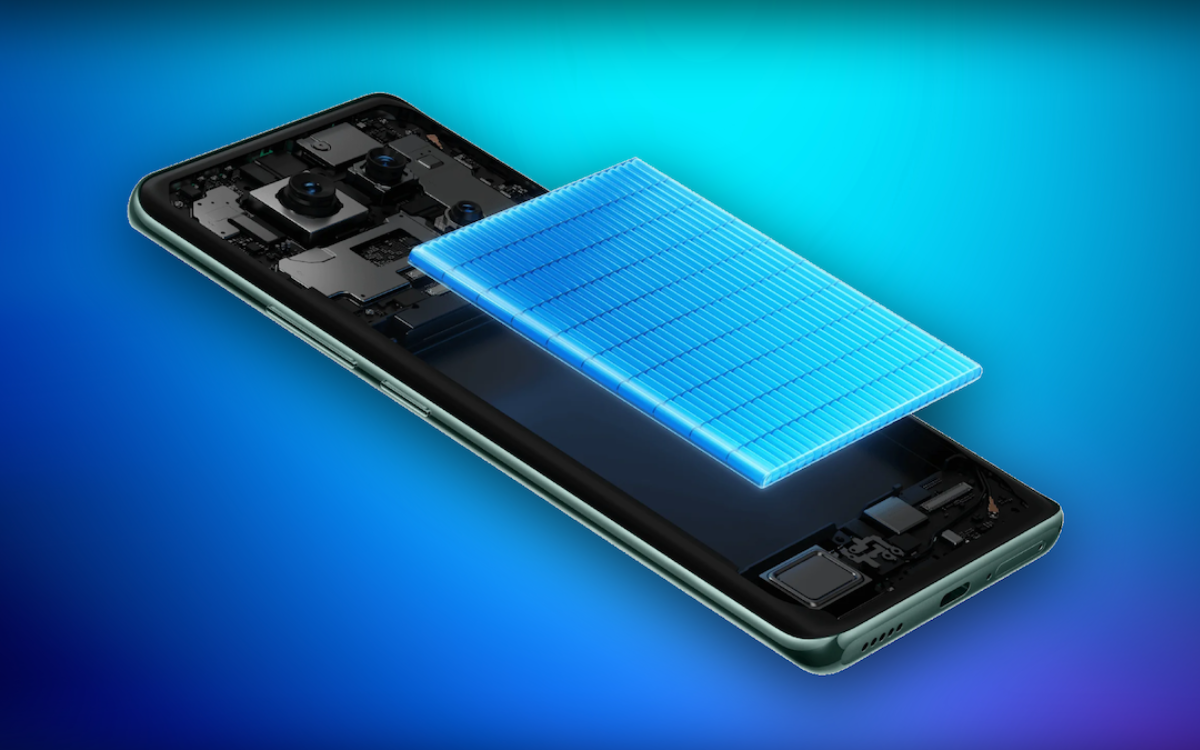
Despite the name, a silicon-carbon battery is still a lithium-ion battery. The key difference is found in its anode—the component that stores lithium ions while the battery is charged. Conventional smartphone batteries rely primarily on graphite, while newer designs add silicon within a carbon structure. Silicon can store more lithium than graphite, allowing manufacturers to increase energy capacity without proportionally increasing the battery’s physical size.
The technology has rapidly moved from experimentation into commercial smartphones. Research published in March 2026 found that six of the ten leading smartphones equipped with batteries of at least 6,000 mAh used silicon-carbon technology.
Manufacturers are already demonstrating what this can achieve. The Canadian OnePlus 15 combines a 7,300 mAh Silicon NanoStack battery with a 15% silicon composition. HONOR’s Magic V6 reportedly fits a 6,660 mAh battery into an ultra-thin foldable design using approximately 25% silicon content. OPPO has similarly used silicon-carbon technology to give its slim Find N5 foldable a 5,600 mAh capacity.
However, greater capacity does not automatically guarantee better real-world endurance. Display efficiency, processor demand, software optimization, temperature and charging behaviour still affect how long a phone lasts. Silicon also expands during charging, meaning careful material design and battery-management systems remain essential for durability.
Silicon-carbon technology is therefore not a magical replacement for lithium-ion batteries. It is an important evolution of them. As adoption expands, consumers can expect larger capacities, thinner devices and fewer compromises between portability and battery life—particularly in foldable and performance-focused smartphones.